How's the Market? • June 30, 2026

250 Years of the American Dream: The Story of Homeownership in America

As America approaches its 250th birthday, it is a good time to reflect on one of the country’s most enduring goals: homeownership.

For generations of families, owning a home has represented stability, opportunity, and a chance to build wealth over time.

What many people may not realize is that government policies helped make homeownership possible for millions of Americans.

How America Helped Build Homeownership

Over the past 250 years, several important policies changed the housing market.

For example, the Homestead Act of 1862 encouraged families to move west by providing access to land.

Years later, the Federal Housing Administration, or FHA, helped make mortgages more affordable during the Great Depression.

These changes transformed home financing in America.

Before these programs existed, buyers often needed large down payments and short-term loans.

Later, long-term mortgages became more common and helped make homeownership more accessible to everyday families.

The Post-War Housing Boom

After World War II, government-backed loans helped fuel a housing boom across the country.

As more families purchased homes, homeownership became one of the most effective ways to build wealth and financial security.

Today, American homeowners hold trillions of dollars in housing wealth.

For many families, a home remains their largest financial asset.

Today’s Buyers Face Different Challenges

The dream of homeownership is still alive.

However, the path looks different today.

In many parts of the country, home prices have risen faster than incomes.

At the same time, higher interest rates have increased monthly payments.

As a result, many buyers need more time to save for a down payment.

The average age of first-time homebuyers has also increased in recent years.

Consequently, many buyers are waiting longer before purchasing their first home.

Why Housing Supply Matters

Another challenge facing today’s buyers is housing supply.

Experts estimate that the United States needs millions of additional homes to meet demand.

Many housing economists believe that zoning restrictions, longer permitting timelines, and rising construction costs have slowed new development.

Because of this, many communities have fewer homes available than buyers need.

Building more homes, including smaller homes and starter homes, could help improve affordability over time.

In addition, new construction communities can increase inventory and provide buyers with more choices.

What This Means for Buyers in Southwest Washington

National trends matter.

However, local markets create local opportunities.

Buyers in Southwest Washington continue to find success with the right strategy and guidance.

For example, first-time buyer programs, new construction communities, and creative financing options can all help make homeownership possible.

Whether you are buying your first home or planning your next move, understanding the market is an important first step.

The Goal Hasn’t Changed

The path to homeownership may look different than it did 250 years ago.

However, the goal remains the same.

Homeownership continues to help families build stability, create wealth, and establish a place to call home.

If you are thinking about buying or selling in Southwest Washington, I would be happy to help you create a plan that fits your goals and your timeline.

Buying a Home • June 30, 2026

New Construction in Clark County: What Buyers Need to Know Before Buying New

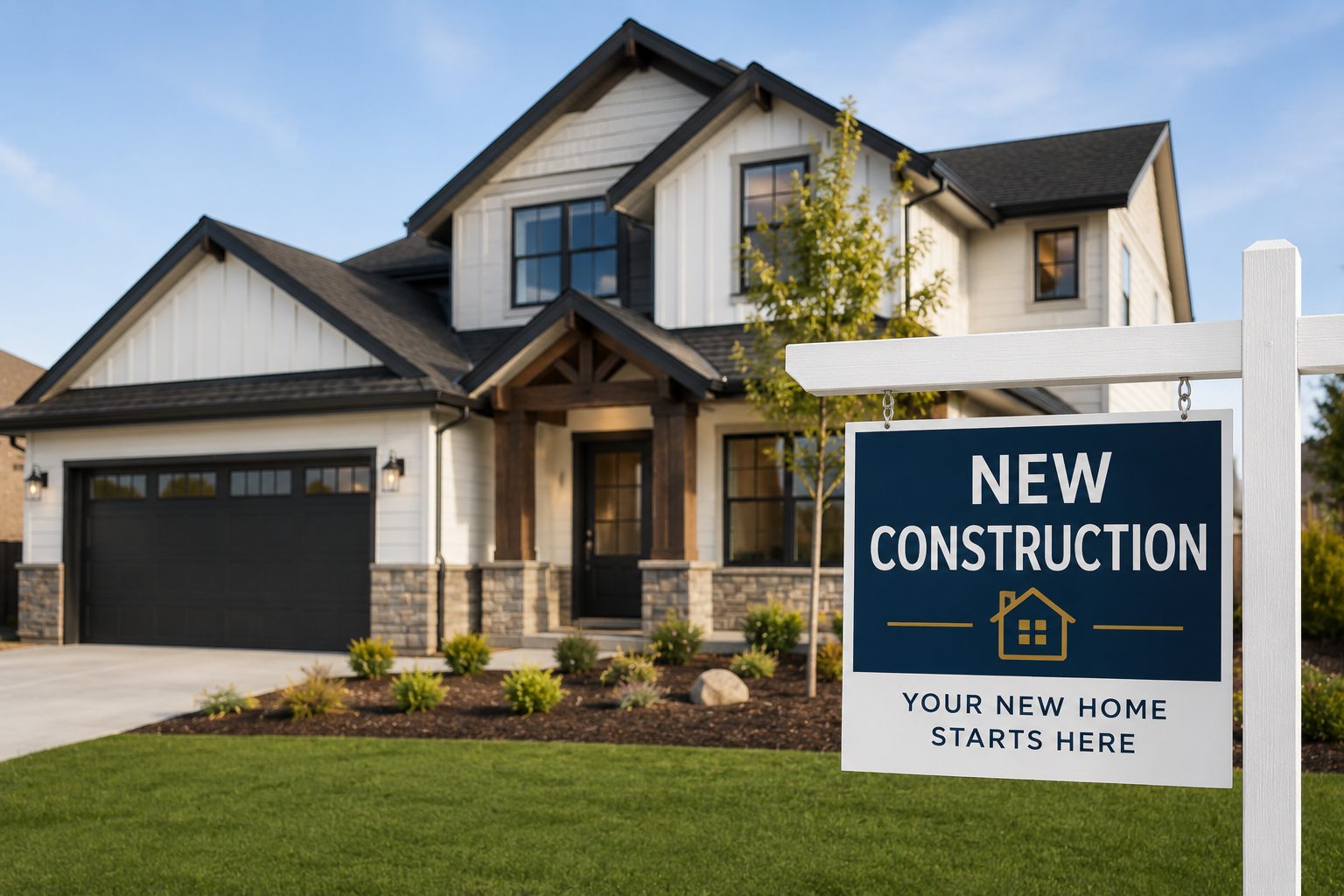
New construction homes are popular throughout Clark County.
Many buyers love the idea of being the first person to live in a home. New homes also offer modern floor plans, energy-efficient features, and fewer immediate repairs.

However, buying new construction is different from buying a resale home.

Before you visit a model home or sign a builder contract, there are a few things you should know.

The Base Price Is Usually Just the Beginning

One of the biggest surprises for buyers is that the advertised price is often only the starting point.

Many model homes include upgrades that are not part of the base price.

For example, the model may include:

  • Upgraded cabinets
  • Quartz countertops
  • Premium flooring
  • Built-in appliances
  • Covered patios
  • Additional landscaping

As a result, the final purchase price can be much higher than expected.

Upgrades Add Up Quickly

Builder design centers can be exciting.

They can also be expensive.

Buyers often upgrade:

  • Flooring
  • Cabinets
  • Lighting
  • Appliances
  • Countertops
  • Tile work

While some upgrades add long-term value, others are easier and less expensive to complete after closing.

Because of this, it helps to prioritize the features that matter most to you.

Don’t Forget About Landscaping and Fencing

Many new homes do not include everything buyers expect.

In some communities, buyers may need to pay separately for:

  • Landscaping
  • Fencing
  • Window coverings
  • Refrigerators
  • Washer and dryer

These costs can add thousands of dollars to your budget.

Property Taxes May Change

New construction property taxes can sometimes surprise buyers.

In some cases, taxes are based on the value of the land before the home is completed.

As a result, your first tax bill may be lower than future bills.

Before closing, ask your lender and builder how taxes are expected to change.

Builder Incentives Can Be Valuable

Builders often offer incentives to attract buyers.

These may include:

  • Interest rate buy-downs
  • Closing cost assistance
  • Appliance packages
  • Upgrade credits

However, some incentives require buyers to use the builder’s preferred lender.

Because of this, it is important to compare all financing options carefully.

Builder Contracts Are Different

Unlike resale homes, builders often use their own contracts instead of standard NWMLS forms.

These agreements may contain different timelines, deposit requirements, and construction deadlines.

As a result, buyers should understand the terms before signing.

Yes, You Should Still Have Your Own REALTOR®

Some buyers believe they do not need representation when buying new construction.

However, the builder’s sales representative works for the builder.

Your REALTOR® works for you.

Having your own representation can help you:

  • Understand the contract
  • Compare communities
  • Evaluate upgrades
  • Negotiate incentives
  • Coordinate inspections and deadlines

Best of all, in most cases the builder pays your REALTOR®’s commission.

Consider a Home Inspection

A brand-new home is still built by people.

Even well-built homes can have items that need attention.

Because of this, many buyers choose to have:

  • A pre-drywall inspection
  • A final inspection before closing
  • A warranty inspection before the builder warranty expires

These inspections often provide peace of mind.

Every Community Offers Something Different

New construction can look very different depending on where you buy.

For example:

  • Camas often offers higher-end communities and strong school demand.
  • Washougal may provide larger lots and more value for the price.
  • Ridgefield continues to attract buyers looking for newer neighborhoods and community amenities.
  • Battle Ground often appeals to buyers who want more space and room to grow.

Choosing the right location is just as important as choosing the right floor plan.

My Advice

New construction can be an excellent option for many buyers.

However, it is important to understand the full cost of ownership before making a decision.

The best experience starts with asking questions, comparing options, and building a budget that includes more than the base price.

As a REALTOR® serving Camas, Washougal, Vancouver, Ridgefield, Battle Ground, and communities throughout Clark County, I help buyers navigate both resale homes and new construction communities.

If you’re considering new construction, I’d be happy to help you compare builders, neighborhoods, and incentives so you can make an informed decision with confidence.

Buying a Home • Selling Your Home • June 29, 2026

How Do You Buy and Sell a Home at the Same Time?

One of the questions I hear most often is:
“Do we need to sell our current home before we buy the next one?”

For many homeowners, the answer is yes.

The equity in their current home often becomes the down payment for the next purchase.

At the same time, nobody wants to feel rushed or worry about where they will live between closings.

Fortunately, buying and selling at the same time happens every day.

With a good plan, the process can feel much less stressful than many people expect.

Option 1: Sell First, Then Buy

Selling first is often the safest financial choice.

Once your home closes, you’ll know exactly:

  • How much equity you have.
  • How much cash you can use for your next purchase.
  • What monthly payment feels comfortable.

In addition, sellers who have already sold their home often write stronger offers because their financing is more certain.

The downside is simple.

You may need temporary housing if you don’t find your next home right away.

Option 2: Buy First, Then Sell

Some homeowners choose to buy before selling.

This option allows you to move on your own timeline and avoid temporary housing.

However, it can require:

  • Larger cash reserves.
  • Qualifying for two mortgage payments.
  • Bridge financing or special loan programs.

For some families, this strategy works very well.

For others, it creates unnecessary pressure.

Option 3: Make Your Offer Contingent on Selling

Another option is to make your offer contingent on selling your current home.

This protects you from owning two homes at once.

However, some sellers prefer offers without contingencies.

As a result, this strategy works better in some markets than others.

The amount of inventory and buyer demand often determines how competitive contingent offers will be.

Option 4: Use a Rent-Back Agreement

One of my favorite solutions is a rent-back agreement.

With a rent-back, you sell your current home but remain in the property for an agreed period after closing.

This gives you extra time to:

  • Find your next home.
  • Complete your purchase.
  • Move at a comfortable pace.

As a result, many homeowners avoid the stress of moving twice.

Timing Is Everything

Buying and selling at the same time can feel like solving a puzzle.

The goal is to align:

  • Listing dates.
  • Offer deadlines.
  • Inspection periods.
  • Closing dates.
  • Moving schedules.

Fortunately, these pieces often come together more smoothly than people expect.

The Market Matters Too

The best strategy often depends on current market conditions.

For example, selling first may make more sense in a strong seller’s market.

On the other hand, buyers may have more negotiating power when inventory increases.

Because of this, there is rarely one perfect solution for everyone.

The Biggest Mistake Homeowners Make

The biggest mistake isn’t buying first or selling first.

It’s waiting too long to explore the options.

Many homeowners assume moving isn’t possible until they learn what their current home may be worth.

However, the numbers often work better than expected.

My Advice

Start with information.

Learn what your current home could sell for.

Understand your buying power.

Then build a plan that fits your goals and timeline.

Buying and selling at the same time may seem overwhelming at first.

However, with the right strategy and guidance, it can be done successfully every day.

As a REALTOR® serving Camas, Washougal, Vancouver, Ridgefield, Battle Ground, and communities throughout Clark County, I help homeowners create a plan that fits their finances, goals, and timing.

If you’re considering a move, I’d be happy to help you explore your options and build a strategy that works for you.

Community Spotlight • June 29, 2026

Living in Battle Ground, Washington: Small-Town Feel with Room to Gro

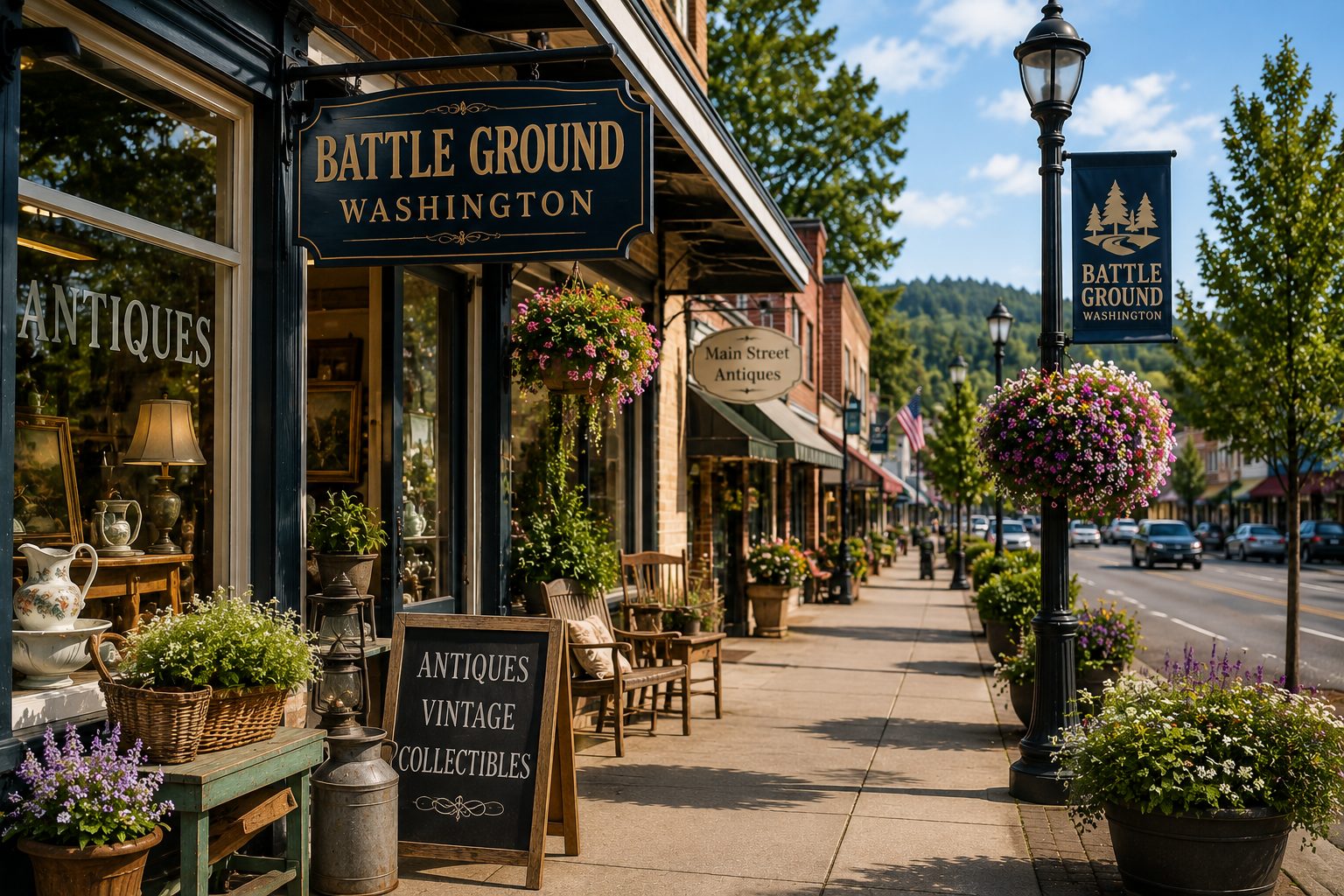
If you’re looking for more space, a strong sense of community, and a quieter pace of life, Battle Ground may be worth a closer look.

Located in northern Clark County, Battle Ground is one of Southwest Washington’s fastest-growing communities. Even so, it has managed to keep much of its small-town charm.

For many residents, that’s exactly what makes it special.

More Space and Larger Lots

One of the first things buyers notice about Battle Ground is the amount of space available.

Compared to some nearby communities, homes often offer:

  • Larger lots
  • More room between neighbors
  • Space for RV parking or a shop
  • Bigger backyards and outdoor living areas

As a result, many buyers find opportunities here that can be difficult to find closer to Vancouver or Portland.

A Strong Sense of Community

Although Battle Ground continues to grow, it still feels like a place where neighbors know each other.

Throughout the year, residents gather for local events, youth sports, farmers markets, and community celebrations.

Because of this, many families are drawn to the welcoming atmosphere and hometown feel.

Outdoor Recreation Is Part of Daily Life

Life in Battle Ground makes it easy to enjoy the outdoors.

Residents have convenient access to:

  • Parks
  • Walking trails
  • Fishing
  • Boating
  • Hiking
  • Camping

In addition, nearby rivers, lakes, and forests offer countless opportunities to enjoy the Pacific Northwest lifestyle.

A Downtown That Keeps Its Character

Battle Ground’s downtown area continues to grow while holding onto its small-town personality.

Local restaurants, coffee shops, and small businesses give the community character and provide gathering places for residents.

As a result, many people enjoy supporting local businesses and staying connected to the community.

Convenient Access to Everything You Need

Many buyers choose Battle Ground because it offers a balance between space and convenience.

Residents enjoy a quieter lifestyle while still having access to:

  • Vancouver
  • Camas
  • Ridgefield
  • Portland International Airport
  • Major employers throughout the region

For commuters, that balance can be especially appealing.

Housing Options for Every Stage of Life

Another reason Battle Ground continues to attract buyers is the variety of housing options available.

You can find:

  • Established neighborhoods
  • New construction communities
  • Acreage properties
  • Single-level homes
  • Luxury homes
  • Properties with room for hobbies or animals

Because of this variety, Battle Ground appeals to both first-time buyers and longtime homeowners.

Why People Love Living in Battle Ground

Ask residents what they enjoy most and you’ll often hear similar answers:

  • More space
  • A strong sense of community
  • Outdoor recreation
  • Local businesses
  • A slower pace of life
  • Room to grow

For many homeowners, Battle Ground offers the best of both worlds: modern conveniences with a small-town feel.

Is Battle Ground Right for You?

Every community offers something different.

If you’re looking for larger lots, outdoor recreation, and a strong sense of community, Battle Ground deserves a look.

The best way to know if it’s the right fit is to spend time exploring the neighborhoods, parks, and local businesses that make the area unique.

My Take

Battle Ground has changed quite a bit over the past decade.

However, it has held onto the qualities that made people fall in love with it in the first place.

Today, it remains one of the few places in Clark County where buyers can often find a little more land, a little more breathing room, and a little more of that classic Pacific Northwest lifestyle.

As a REALTOR® serving Battle Ground, Camas, Washougal, Vancouver, Ridgefield, and communities throughout Clark County, I enjoy helping buyers find not only the right home, but also the right community for their lifestyle and goals.

Buying a Home • June 29, 2026

10 Things Buyers Often Notice After Living in a Home for Six Months

Buying a home is exciting.

After weeks or months of searching, touring homes, writing offers, and navigating inspections and financing, finally getting the keys feels incredible.

Then everyday life begins.

Morning routines settle in. The seasons change. Gradually, you begin to experience how the home fits your daily life.

After helping buyers purchase homes over the years, I’ve noticed something interesting.

Many homeowners discover things they appreciate even more after moving in. At the same time, they sometimes realize there were a few details they wish they had considered more carefully during the buying process.

Fortunately, most of these are not mistakes.

Instead, they are simply the kinds of things that are difficult to fully understand until you’ve lived in a home for a while.

1. The Commute Matters More Than Expected

A home may feel close to work during a weekend showing.

However, Tuesday morning traffic can tell a very different story.

School traffic, bridge congestion, and rush hour delays can all add more time than buyers expect.

Because of this, it’s helpful to drive the commute during the times you’ll actually be traveling before making an offer.

2. Natural Light Changes Everything

One of the things homeowners often mention is how much they appreciate good natural light.

For example, morning sun in the kitchen or evening sunsets from the backyard can completely change how a home feels.

In addition, bright living spaces often feel more welcoming during the winter months.

Since natural light affects your experience every day, it is worth paying attention to during showings.

3. Storage Is More Valuable Than Square Footage

Large homes do not always offer great storage.

Meanwhile, smaller homes with thoughtful storage solutions can feel surprisingly functional.

Closets, pantries, garages, and seasonal storage areas often become more important after move-in day than they seemed during the showing.

4. The Neighborhood Becomes Part of Your Home

Over time, homeowners often realize that the house itself is only part of the experience.

Just as important is the neighborhood that surrounds it.

For example, nearby parks, walking trails, coffee shops, schools, and grocery stores can have a bigger impact on daily life than many buyers expect.

As a result, these details often become some of the things homeowners appreciate most after moving in.

5. The Floor Plan Matters More Than Finishes

Paint colors can change.

Countertops can be replaced.

Eventually, furniture gets updated as well.

However, the floor plan stays the same.

Because of this, many homeowners discover that how a home functions matters more than the finishes that first caught their attention.

6. Every Home Requires Maintenance

Even brand-new homes need attention from time to time.

For example, filters need replacing, landscaping needs upkeep, and HVAC systems benefit from regular servicing.

Although these responsibilities come with homeownership, routine maintenance helps protect one of your largest investments.

7. Utility Costs Are Part of Homeownership Too

Of course, the mortgage payment is only one part of the monthly cost of owning a home.

In addition, homeowners should plan for utilities, internet service, insurance, and ongoing maintenance expenses.

Understanding these costs upfront often makes homeownership feel more predictable and less stressful.

8. Outdoor Space Gets Used Differently Than Expected

Interestingly, homeowners often discover that they use outdoor spaces differently than they imagined.

Some families spend every summer evening on the patio.

Others realize they rarely use the large backyard they loved during the showing.

Because of this, thinking about how you’ll actually use outdoor space can be just as important as the size of the home itself.

9. The Right Home Isn’t Always the Biggest Home

Bigger isn’t always better.

Instead, many homeowners eventually discover that the best home is the one that supports the lifestyle they want to live.

For some people, that means extra bedrooms and additional space.

For others, it means less maintenance and more freedom to travel or enjoy hobbies.

10. Home Is About More Than the House

Ultimately, one of the biggest things homeowners discover is this:

Home is rarely about granite countertops or paint colors.

Instead, it’s where birthdays are celebrated, holidays are shared, and memories are made.

The right home isn’t perfect.

Rather, it’s the place that fits your life best.

The Good News

Most homeowners don’t spend six months wishing they had made a different decision.

In fact, many grow to appreciate their homes even more over time.

The goal isn’t to find a perfect house.

Instead, it’s to find the right house for your lifestyle, priorities, and future plans.

My Advice

When helping buyers, I encourage them to think beyond the showing itself.

How will the home feel on a rainy Tuesday morning?

How will it work during the holidays?

Will it fit your lifestyle not only today, but several years from now?

Those questions often lead to the best decisions.

As a REALTOR® serving Camas, Washougal, Vancouver, Ridgefield, Battle Ground, and communities throughout Clark County, I help buyers look beyond the listing photos and think about how a home will fit their lives for years to come.

If you’re thinking about buying a home, I’d be happy to help you evaluate not only the house itself, but also the lifestyle that comes with it.

Buying a Home • June 26, 2026

Why Buyers Should Visit a Home More Than Once

Finding a home you love is exciting.
It’s easy to imagine where your furniture will go, picture family gatherings, or fall in love with a beautiful kitchen.

However, before writing an offer, I often encourage buyers to visit the home a second time.

Why?

Because the first showing is usually emotional.

The second visit is practical.

Seeing a home more than once can help you notice details that may influence your decision for years to come.

The First Visit Is About the Feeling

During your first showing, you’re naturally focused on whether the home feels right.

You notice the layout, finishes, backyard, and overall atmosphere.

That’s completely normal.

In fact, most buyers spend the first visit imagining themselves living there.

The Second Visit Is About the Details

Once the excitement settles, you begin to see the home differently.

Instead of asking, “Do I love it?”

You’ll start asking, “Will this home work for my lifestyle?”

That’s when important details often become much more noticeable.

Visit at a Different Time of Day

A neighborhood can feel very different depending on when you visit.

Try stopping by:

  • Early in the morning
  • During the evening
  • On a weekend
  • During rush hour

You may notice:

  • Traffic patterns
  • Street parking
  • Noise levels
  • Nearby activity
  • How much natural light the home receives

These are things you may not notice during a single showing.

Pay Attention to Natural Light

Sunlight changes throughout the day.

A bright living room in the afternoon may be shaded in the morning.

Likewise, a west-facing backyard may be perfect for evening gatherings.

Understanding how light moves through the home helps you picture living there year-round.

Walk the Neighborhood

Don’t just evaluate the house.

Explore the surrounding area.

Take a short walk and look for:

  • Parks
  • Sidewalks
  • Nearby schools
  • Coffee shops
  • Walking trails
  • Grocery stores

A wonderful home is even better when it’s in a neighborhood that fits your lifestyle.

Listen Carefully

During your second visit, spend a few minutes simply listening.

Can you hear traffic?

Nearby businesses?

Dogs barking?

Construction?

Trains?

Most buyers overlook these details during the excitement of the first showing.

Picture Your Everyday Routine

Imagine an ordinary weekday.

Where will you park?

How long is the commute?

Is there enough storage?

Where will guests park?

Can groceries easily be carried inside?

Sometimes it’s the everyday details that have the biggest impact on how much you’ll enjoy a home.

Bring Someone You Trust

A second set of eyes can be incredibly valuable.

A friend, family member, or your REALTOR® may notice things you overlooked during your first visit.

Different perspectives often lead to better decisions.

Ask More Questions

By your second visit, you’ll probably have additional questions.

For example:

  • How old is the roof?
  • Have there been recent updates?
  • How old is the HVAC system?
  • Are there HOA restrictions?
  • What stays with the home?

Asking questions now can help you feel more confident before making an offer.

Buying a Home Is One of Your Biggest Decisions

Purchasing a home is about more than finding a beautiful kitchen or a great backyard.

You’re choosing where you’ll spend holidays, celebrate milestones, and create memories.

Taking the time to visit a home more than once can help ensure you’re making the right decision—not just an emotional one.

My Advice

I’ve walked through hundreds of homes with buyers over the years.

One thing I’ve learned is this:

The homes buyers feel the best about after closing are often the ones they took the time to evaluate carefully.

A second visit won’t guarantee it’s the right home.

However, it often provides clarity, confidence, and peace of mind before making one of life’s biggest investments.

As a REALTOR® serving Camas, Washougal, Vancouver, Ridgefield, Battle Ground, and communities throughout Clark County, I help buyers look beyond first impressions so they can make informed decisions with confidence.

If you’re thinking about buying a home, I’d be happy to guide you through every step of the process and help you evaluate each property with both excitement and perspective.

Selling Your Home • June 26, 2026

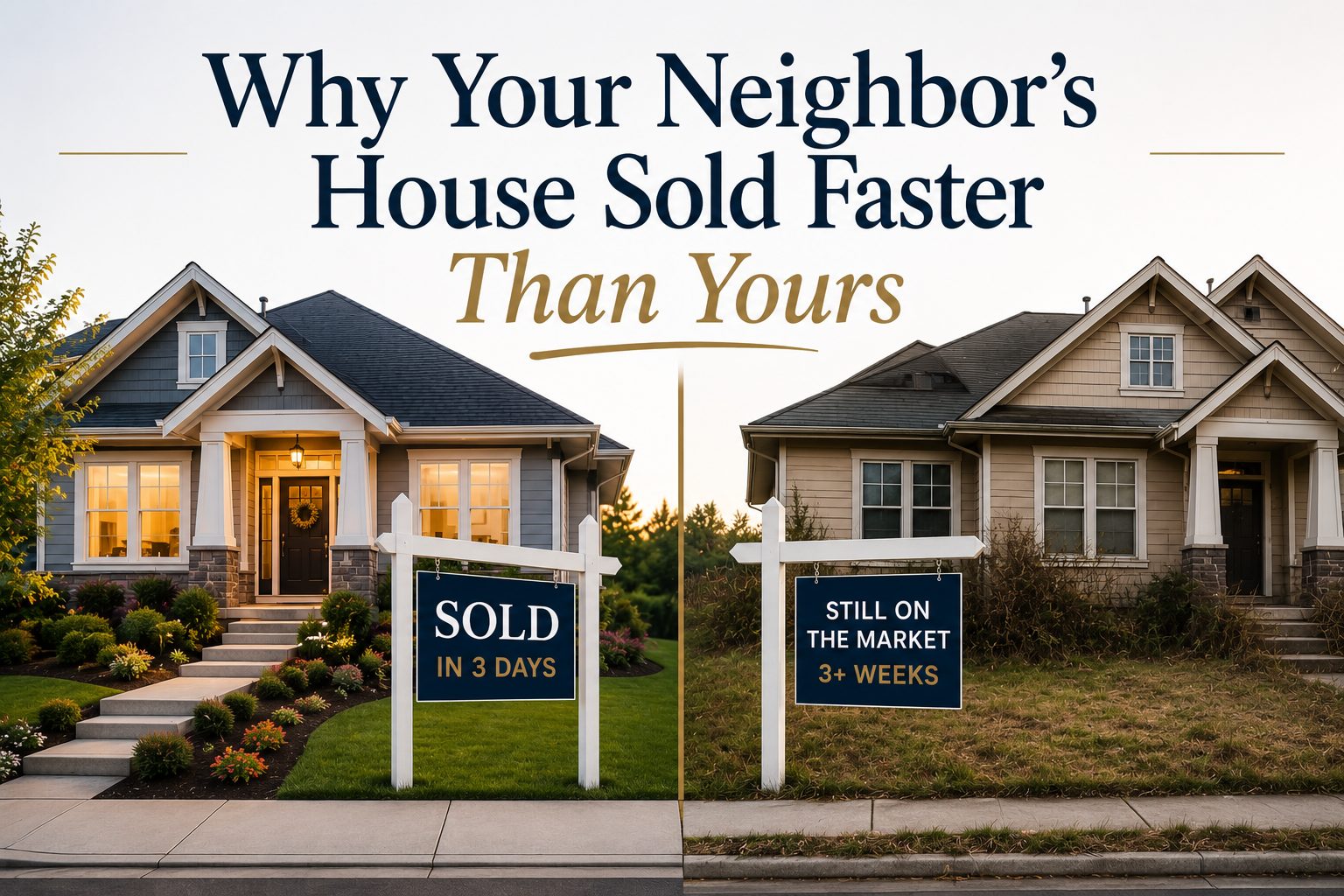
Why Your Neighbor’s House Sold Faster Than Yours

One of the most common questions homeowners ask is:
“Why did my neighbor’s house sell so quickly while mine is still on the market?”

At first glance, the homes may look very similar.

They may have the same floor plan, similar square footage, and even be on the same street.

However, no two homes sell exactly the same way.

Many factors influence how quickly a home sells, and some of them have nothing to do with the market itself.

Price Is Only Part of the Story

Many people assume a home didn’t sell because it was overpriced.

Sometimes that’s true.

However, pricing is only one piece of the puzzle.

A home can be priced correctly and still struggle if buyers don’t feel excited when they first see it.

Likewise, a well-prepared home often attracts strong interest, even in a slower market.

First Impressions Matter

Buyers begin forming an opinion before they ever walk through the front door.

They notice:

  • Landscaping
  • The condition of the exterior
  • The front entry
  • Lighting
  • Cleanliness

Those first few moments often influence how buyers view the rest of the home.

Professional Photography Makes a Difference

Today, buyers usually see your home online before scheduling a showing.

That means your photos are your first showing.

Bright, professional photography can generate more online views, more showings, and ultimately more offers.

Dark or poorly composed photos can cause buyers to scroll past your listing.

Preparation Builds Buyer Confidence

Homes that feel well cared for tend to attract stronger interest.

Simple improvements can make a noticeable difference.

For example:

  • Decluttering
  • Deep cleaning
  • Fresh paint
  • Minor repairs
  • Better lighting

These updates help buyers focus on the home instead of its imperfections.

Buyers Compare Every Home They See

Your home doesn’t compete against the one that sold last month.

It competes against the homes buyers are touring today.

If another home offers newer updates, better presentation, or a stronger value, buyers naturally compare the two.

That’s why understanding the current competition is so important.

Marketing Plays a Bigger Role Than Many People Realize

Exposure matters.

Professional photography, compelling property descriptions, social media, video marketing, and strategic online placement all help attract buyers.

The more qualified buyers who see your home, the greater your opportunity to receive strong offers.

Timing Can Make a Difference

Sometimes two nearly identical homes come on the market just weeks apart.

However, market conditions can change quickly.

Inventory levels, interest rates, buyer demand, and seasonal trends all influence activity.

That’s why it’s important to evaluate the market as it exists today—not as it looked a month ago.

Every Home Has a Different Story

Even homes in the same neighborhood have unique advantages.

One may have a larger backyard.

Another may have a better view.

Some offer updated kitchens.

Others have newer roofs or HVAC systems.

These differences influence how buyers perceive value.

What Sellers Can Learn

If your home isn’t receiving the activity you expected, it doesn’t always mean something is wrong.

Instead, it may be time to ask a few important questions.

  • Is the home priced appropriately?
  • Does it stand out online?
  • Is it making a strong first impression?
  • How does it compare to today’s competition?
  • Are buyers seeing enough value for the asking price?

Answering those questions often leads to a successful strategy.

My Advice

Selling a home isn’t about hoping buyers fall in love.

It’s about helping buyers recognize the value your home offers.

The homes that sell the fastest are rarely successful because of one single factor.

Instead, they combine thoughtful pricing, strong preparation, effective marketing, and a strategy that matches today’s market.

As a REALTOR® serving Camas, Washougal, Vancouver, Ridgefield, Battle Ground, and communities throughout Clark County, I help sellers understand what buyers are looking for and how to position their homes to stand out.

If you’re wondering how your home compares to others in today’s market, I’d be happy to provide a personalized market analysis and discuss strategies that can help maximize your home’s appeal.

How's the Market? • June 26, 2026

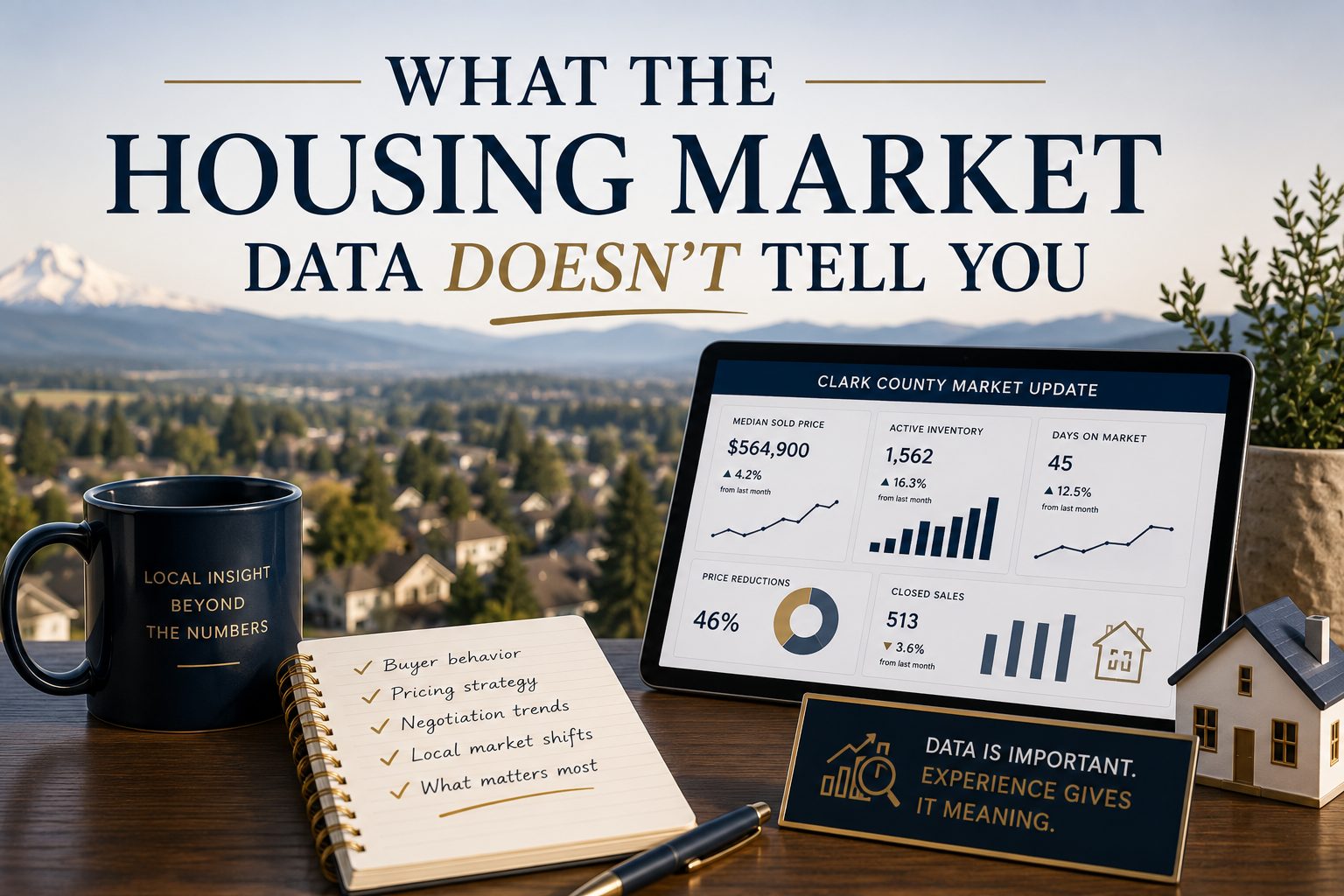
What the Housing Market Data Doesn’t Tell You

Every month, we see headlines about home prices, inventory, mortgage rates, and days on market.

Those numbers are important.

However, they don’t tell the whole story.

As a REALTOR®, I spend time looking beyond the statistics because the data doesn’t always explain what’s happening inside real transactions.

Here’s what I’ve been seeing that you won’t find in a typical market report.

Buyers Are Taking More Time to Decide

The numbers may show homes selling.

What they don’t show is how buyers are making decisions.

Many buyers are visiting the same home more than once. They’re comparing more properties before writing an offer, and they’re asking more questions than they did a few years ago.

That doesn’t mean buyers have disappeared.

It means they’re being more thoughtful with one of the biggest financial decisions they’ll ever make.

Sellers Who Prepare Their Homes Still Stand Out

The market statistics don’t measure preparation.

Yet preparation often makes the difference between a home that sells quickly and one that sits on the market.

Homes that are professionally photographed, well-priced, clean, and move-in ready continue to attract strong interest.

On the other hand, homes that need updates or are priced above the market often take longer to sell.

Buyers Are Looking Beyond Cosmetic Updates

A freshly painted home is nice.

However, today’s buyers also want to know about the roof, HVAC system, windows, plumbing, and overall maintenance.

Many buyers are thinking long-term.

They want confidence that the home has been well cared for.

Flexibility Is Becoming More Important

One thing the numbers don’t capture is how creative negotiations have become.

Seller credits.

Interest rate buy-downs.

Flexible closing dates.

Rent-back agreements.

These strategies often help buyers and sellers reach an agreement, even when the market feels challenging.

The final sale price is only one part of the negotiation.

Buyers Are Paying Close Attention to Monthly Costs

Interest rates remain important.

However, many buyers are equally focused on their monthly payment.

They’re asking about:

  • Property taxes
  • Homeowners insurance
  • HOA dues
  • Utility costs
  • Future maintenance

Affordability is about much more than the purchase price.

Every Price Range Behaves Differently

The market isn’t moving at the same pace everywhere.

Some price ranges continue to attract multiple offers.

Others may experience longer marketing times and more negotiation.

That’s why broad market statistics don’t always reflect what is happening in your neighborhood or price point.

Local Markets Tell Different Stories

Even within Clark County, market conditions can vary.

One neighborhood may see strong buyer demand.

Another may have more inventory and longer days on market.

That’s why local knowledge matters.

Looking only at countywide statistics can miss important trends happening closer to home.

Real Estate Is Still Personal

Perhaps the biggest thing the numbers don’t show is why people move.

Some buyers are relocating for work.

Others need more space.

Some are downsizing after retirement.

Others are moving closer to family.

Every transaction has a story behind it.

Those personal decisions continue to drive the market, regardless of the latest headlines.

What This Means for Buyers and Sellers

Market reports provide valuable information.

However, they should be viewed as a starting point—not the entire picture.

The best decisions are made by combining market data with local expertise, neighborhood knowledge, and an understanding of today’s buyers and sellers.

That’s where experience makes a difference.

My Take

Every month, I’ll continue sharing the latest Clark County housing statistics.

Just as importantly, I’ll share what those numbers don’t reveal.

Because understanding the market isn’t just about reading the data.

It’s about understanding the people behind the numbers.

As a REALTOR® serving Camas, Washougal, Vancouver, Ridgefield, Battle Ground, and communities throughout Clark County, I help buyers and sellers understand both the statistics and the real-world trends shaping today’s housing market.

If you’re wondering what today’s market means for your specific neighborhood or home, I’d be happy to help.

Selling Your Home • June 26, 2026

Why Your Zestimate May Not Match What Your Home Is Actually Worth

One of the first things homeowners do when they think about selling is check their Zestimate.

It’s quick. It’s free. And it gives you an estimate of your home’s value.

However, many homeowners are surprised when they learn that their home’s actual market value may be different.

That doesn’t necessarily mean the Zestimate is wrong.

It simply means that no automated valuation can fully understand your home the way a local market expert can.

What Is a Zestimate?

A Zestimate is an automated estimate of a home’s market value.

It uses public records, recent sales, tax information, and other available data to estimate what a property may be worth.

These tools can provide a helpful starting point.

However, they don’t physically visit your home or evaluate its unique features.

What an Online Estimate Can’t See

Every home is different.

For example, an automated estimate usually can’t account for:

  • A remodeled kitchen
  • Updated bathrooms
  • Custom finishes
  • A new roof
  • A recently replaced HVAC system
  • Professional landscaping
  • Interior condition
  • Views
  • Privacy
  • Natural light
  • Floor plan
  • Deferred maintenance

These factors can have a significant impact on value.

Location Matters More Than You Think

Even homes in the same neighborhood may have different values.

For example:

  • One home may back to a greenbelt.
  • Another may overlook a busy road.
  • One may have a larger lot.
  • Another may offer mountain or river views.

Those differences aren’t always reflected in an automated valuation.

The Market Changes Quickly

Home values don’t stay the same.

Buyer demand changes.

Inventory changes.

Interest rates change.

Seasonality also plays a role.

Because of this, values can shift faster than online estimates are updated.

Comparable Sales Tell a Better Story

When REALTORS® estimate market value, they don’t rely on one number.

Instead, they study recent comparable sales.

They also consider:

  • Current competition
  • Active listings
  • Pending sales
  • Market trends
  • Home condition
  • Location
  • Buyer demand

This creates a much more complete picture of today’s market.

Why Two Homes With the Same Floor Plan Can Have Different Values

This surprises many homeowners.

Two homes may have the same square footage and layout.

Yet one may sell for significantly more.

Why?

Because buyers don’t purchase square footage alone.

They also pay for:

  • Updates
  • Presentation
  • Lot location
  • Views
  • Privacy
  • Outdoor living spaces
  • Overall condition

Those details often make a meaningful difference.

Should You Ignore Your Zestimate?

Not at all.

Online estimates can be a useful tool.

They simply shouldn’t be the only tool.

Think of a Zestimate as a starting point—not the final answer.

Wondering What Your Home Is Really Worth?

If you’re curious about your home’s value, the best approach is to look beyond automated estimates.

A personalized market analysis considers your home’s features, recent neighborhood sales, current competition, and today’s buyer demand.

That provides a much clearer picture of what buyers may actually be willing to pay.

As a REALTOR® serving Camas, Washougal, Vancouver, Ridgefield, Battle Ground, and communities throughout Clark County, I help homeowners understand how today’s market applies to their specific home—not just the average home.

If you’d like a personalized estimate of your home’s current market value, I’d be happy to provide one and answer any questions you may have.

Buying a Home • June 25, 2026

The Home Tour Checklist Most Buyers Forget

Buying a home is exciting.

It’s easy to picture where your furniture will go, imagine family gatherings, or fall in love with a beautiful kitchen.

However, there are many things you should pay attention to that aren’t always obvious during a showing.

After walking through hundreds of homes with buyers, I’ve learned that the little details often matter the most.

Here are several things I encourage every buyer to look for before making an offer.

Listen to the Neighborhood

First, take a few moments to simply listen.

Can you hear traffic? Trains? Barking dogs? Nearby businesses? Busy intersections?

A neighborhood can feel very different depending on the time of day.

If possible, drive through the area during the morning, afternoon, evening, and even on the weekend.

Look Beyond the Staging

Beautiful furniture and fresh paint can make a home feel inviting.

However, try to focus on the features that can’t be changed easily.

Ask yourself:

  • Does the floor plan fit my lifestyle?
  • Is there enough natural light?
  • Does the home have enough storage?
  • Will the layout work five years from now?

Cosmetic updates are often much easier to change than the home’s design.

Pay Attention to Natural Light

Notice which direction the home faces.

Does the living room receive afternoon sun?

Are the bedrooms bright in the morning?

Natural light can make a big difference in how a home feels throughout the year.

Check the Parking Situation

If you visit during the middle of the day, parking may seem plentiful.

However, evenings and weekends can tell a different story.

Take a drive by later to see what parking is really like.

Look at the Neighboring Homes

The home you’re buying isn’t the only property that affects your experience.

Notice how nearby homes are maintained.

Are yards well cared for?

Are there signs of deferred maintenance?

The surrounding neighborhood can influence both your enjoyment and your home’s future value.

Watch for Drainage

Take a look around the yard.

Does the ground slope toward or away from the home?

Are there signs that water collects near the foundation?

Good drainage helps protect a home over time.

Test Your Cell Phone

It sounds simple, but many buyers forget.

Check your cell phone signal while you’re inside the home.

Also, ask about internet service providers if working from home is important to you.

Think About Your Daily Routine

Imagine a typical weekday.

How far is the grocery store?

How long is the commute?

Where are the parks, schools, restaurants, or walking trails?

A home should fit your lifestyle—not just your budget.

Ask Questions

Don’t be afraid to ask questions during a showing.

Some examples include:

  • How old is the roof?
  • When was the HVAC system replaced?
  • Have there been any recent repairs?
  • Are there HOA fees?
  • Have there been any major updates?

The more information you gather, the better prepared you’ll be to make an informed decision.

Why Your REALTOR® Matters

One of the biggest advantages of working with an experienced REALTOR® is having another set of eyes.

While you’re imagining where your dining table will go, I’m looking at things like drainage, roof condition, grading, maintenance, neighborhood trends, and other details that could affect your investment.

Together, we make a great team.

You focus on whether the home feels right.

I help you look beyond the excitement so you can make a confident, informed decision.

Final Thoughts

Finding the right home is about more than beautiful finishes and updated kitchens.

It’s about choosing a home that fits your lifestyle today and for years to come.

By slowing down and paying attention to the details, you’ll be better prepared to make one of the biggest financial decisions of your life.

If you’re thinking about buying a home in Camas, Washougal, Vancouver, Ridgefield, Battle Ground, or anywhere in Clark County, I’d be happy to help you look beyond the obvious and find a home that’s truly the right fit.